
Locust Bean Gum (E410) - Premium Food-Grade Carob Bean Gum
Locust Bean Gum (E410) – High-Performance Natural Thickener for Food Manufacturing
Locust bean gum (LBG), also known as carob bean gum, is a naturally derived hydrocolloid extracted from the endosperm of seeds of the carob tree (Ceratonia siliqua). Widely used across the global food industry, this ingredient functions as a powerful thickening, stabilising and texture-modifying agent in a wide range of food applications.
At Healan, we supply premium food-grade locust bean gum to manufacturers across the UK and Europe, supporting consistent product performance in dairy, plant-based, bakery and processed food formulations.
With its unique molecular structure of galactomannan polysaccharides, locust bean gum delivers reliable viscosity control, excellent water-binding properties and strong synergistic behaviour with other hydrocolloids such as carrageenan, xanthan gum and agar.
The result is a versatile ingredient that enables food developers to precisely engineer texture, mouthfeel and stability.
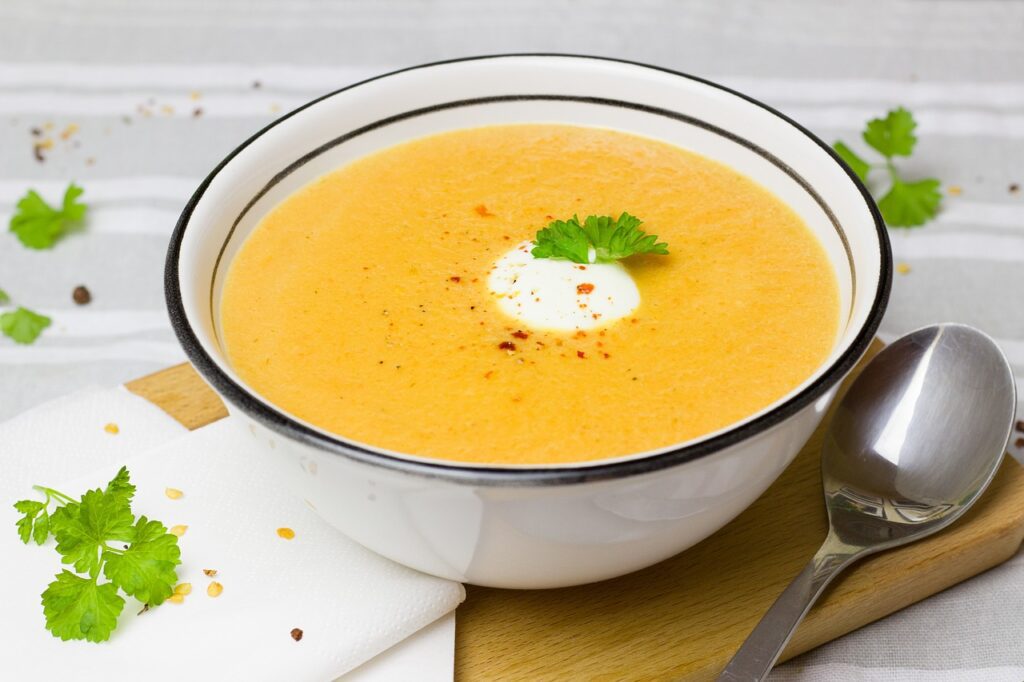
Locust Bean Gum is suitable for a range of applications including marinades, dressings, soups, fruit fillings for bakery, and ice creams.
What Is Locust Bean Gum?
Locust bean gum is a natural plant-based hydrocolloid composed primarily of soluble fibre, extracted from the seeds of the Mediterranean carob tree. The gum contains long-chain galactomannan polysaccharides that hydrate in water to create viscosity and gel-forming functionality.
In food manufacturing it is recognised as food additive E410, approved for use in the EU and widely used internationally as a stabiliser and thickening agent.
Key characteristics include:
Excellent thickening and stabilising capability
Neutral flavour and aroma
High water-binding capacity
Natural plant origin (vegan-friendly)
Synergy with other hydrocolloids
Stable viscosity across a wide pH range
Because only small amounts are required in formulations, locust bean gum allows manufacturers to improve texture and shelf stability without altering flavour profiles.
Functional Benefits in Food Formulation
Locust bean gum is valued by food technologists for its functional performance and formulation flexibility.
Texture Enhancement
LBG improves body and mouthfeel in dairy, plant-based and dessert applications by increasing viscosity and producing smooth, creamy textures.
Water Binding and Syneresis Control
The gum’s strong water-binding ability helps prevent separation and stabilise emulsions, reducing syneresis in sauces, dairy products and fruit preparations.
Ice Crystal Control in Frozen Products
In frozen desserts and ice cream, locust bean gum helps reduce ice crystal formation and slow meltdown, producing a smoother texture and improved shelf life.
Hydrocolloid Synergy
Locust bean gum exhibits well-known synergistic interactions with other gums such as carrageenan and xanthan, enabling formulators to design textures ranging from elastic gels to creamy suspensions.
Common Applications
Due to its versatility, locust bean gum is used across a wide range of food categories.
Dairy & Frozen Desserts
Ice cream and gelato
Yogurt and dairy desserts
Cream cheese and processed cheese spreads
Plant-Based Foods
Vegan dairy alternatives
Plant-based desserts and custards
Non-dairy ice creams
Sauces & Prepared Foods
Soups and sauces
Salad dressings
Gravies and ready meals
Bakery & Confectionery
Gluten-free baked goods
Cake fillings and fruit preparations
Jams, jellies and confectionery
These applications rely on locust bean gum’s ability to stabilise emulsions, retain moisture and enhance texture consistency across both hot and cold processes.
Technical Properties
Typical characteristics of high-quality food-grade locust bean gum include:
Appearance: Off-white to cream powder
Primary component: Galactomannan polysaccharides
Solubility: Hydrates in hot water
pH range: ~5.4–7.0
Typical usage level: 0.1–1% depending on application
These properties allow the ingredient to deliver reliable viscosity and stable texture across a wide variety of food processing environments.
Related Items

Confectionery
Preserves

Meats
Dairy
